Coordinator
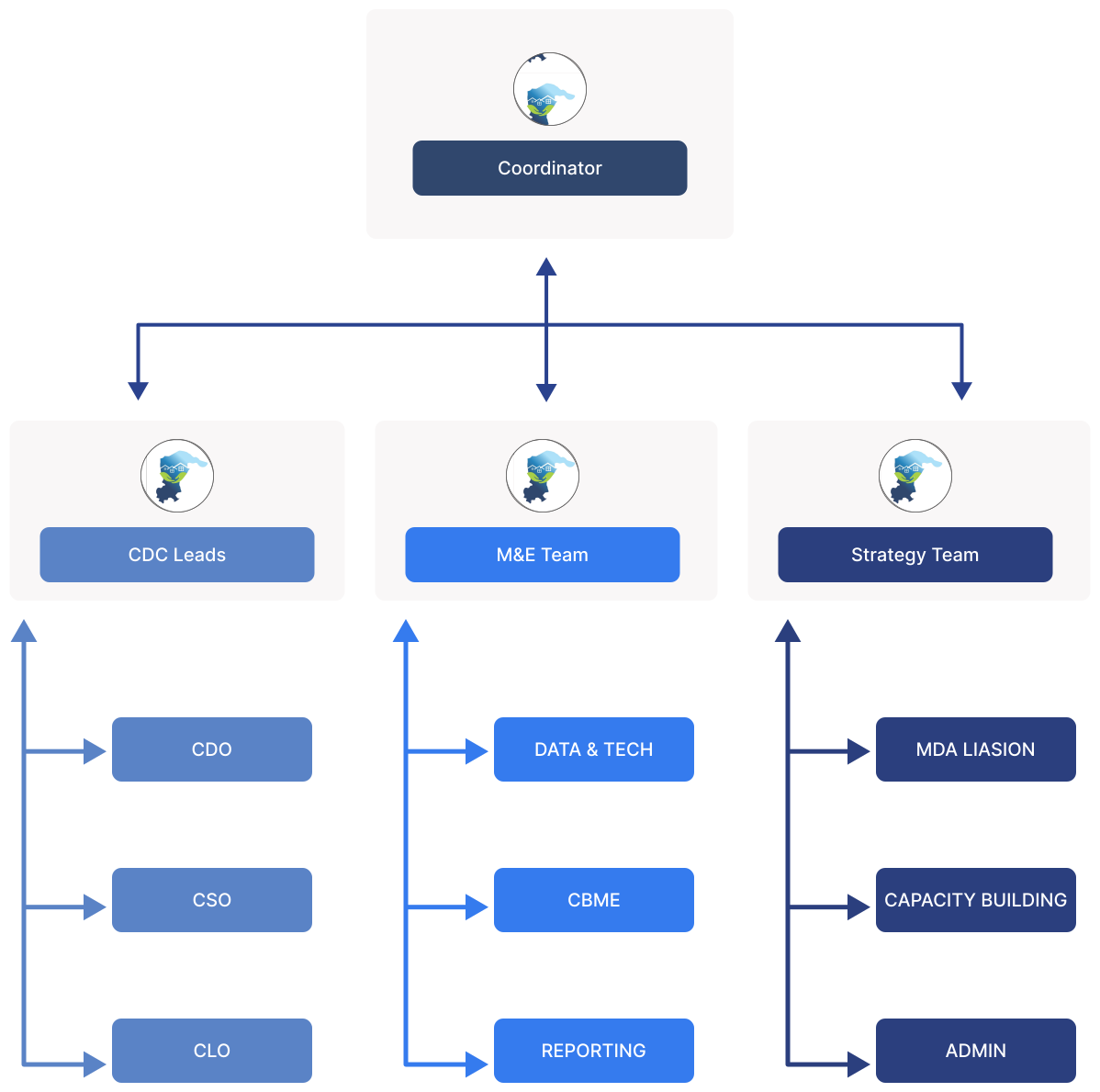
The Coordinator provides overall leadership and direction for the program, ensuring that all activities align with the vision and mission. They work closely with state leadership, partners, and the broader team to drive strategy, oversee progress, and facilitate collaboration across departments.
Community Development Committee (CDC)
The CDC Leads serve as the primary bridge between the communities and the broader program structure. Their core responsibility is to ensure that all initiatives are rooted in community needs, values, and participation. Through direct engagement, they help drive inclusion, local ownership, and sustained impact on the ground.
Monitoring & Evaluation (M&E Team)
The M&E Team is responsible for tracking progress, measuring outcomes, and ensuring data-informed decision-making. This team analyzes feedback and performance metrics to guide improvements and maintain transparency and accountability across all program activities.
Strategy Team
The Strategy Team shapes the long-term vision and coordinates high-level implementation of the program. With a focus on inter-agency collaboration, administrative oversight, and continuous capacity development, they ensure that all teams function efficiently toward a common goal.
Community Development Officer (CDO)
The CDO leads on-ground initiatives in partnership with communities. They identify needs, guide local engagement, and ensure that development activities are inclusive, impactful, and aligned with state objectives.
Community Support Officer (CSO)
The CSO provides technical and logistical support to ensure smooth implementation of projects at the community level. Their role bridges operational support with responsive communication between stakeholders and the field.
Community Learning Officer (CLO)
The CLO ensures that learning is continuous and community-driven. They collect stories, feedback, and lessons from project execution and help translate them into insights that improve future activities.
Data & Tech
This officer manages digital tools, data platforms, and technological processes that support real-time monitoring and data-driven decisions. They play a key role in ensuring the program remains adaptive and evidence-based.
Community-Based Monitoring & Evaluation (CBME)
CBME officers coordinate with local monitors to collect feedback and measure progress directly from communities. They provide real-time updates and ensure community voices are represented in reports.
Reporting Officer
Responsible for preparing and submitting reports that reflect the program’s impact, the Reporting Officer ensures accurate, timely, and compelling documentation of activities, challenges, and achievements.
MDA Liaison Officer
This role facilitates coordination between the program and relevant Ministries, Departments, and Agencies (MDAs). The officer ensures policy alignment, resource synergy, and smooth approvals for project implementation.
Capacity Building Officer
The Capacity Building Officer identifies training needs and organizes learning sessions to enhance the skills of field teams and partners. They ensure the workforce is equipped to deliver high-quality development outcomes.
Administrative Officer
The Admin Officer handles internal operations such as documentation, procurement, logistics, and team coordination. They keep the engine of the program running efficiently behind the scenes.